Best Commuter E-Bikes for U.S. Riders starts with the real-life ride: where the bike will live, how far it has to go, how much it weighs, and whether support will be easy after the sale.
Best Commuter E-Bikes for U.S. Riders is less about chasing the biggest number on a spec sheet and more about matching a bike to the way it will actually be stored, charged, serviced, and ridden.


A commuter e-bike has to be boring in the best way: easy to unlock, easy to ride, visible in traffic, predictable under braking, and comfortable enough that you choose it again tomorrow.
- Prioritize comfort, brakes, lights, fenders, rack compatibility, and battery margin.
- A 20 to 30 mile real commute often needs more advertised range than the math suggests.
- Velotric, Aventon, Trek, Ride1Up, Rad, and Specialized all have commuter-relevant choices.
Table of Contents
- How We Evaluated These E-Bikes
- Commuter E-Bike Shortlist
- Buying Advice by Rider Type
- What to Watch Before You Buy
- Bottom Line
- FAQ
- Sources and Methodology
How We Evaluated These E-Bikes
This guide is written for U.S. riders comparing real purchase choices, not for a lab ranking. Robert Brown treats the category like a practical ownership decision: frame fit, battery size, motor behavior, brake type, dealer or direct support, accessory ecosystem, and how the bike will be used after the first month. We do not claim hands-on testing unless a review clearly says so. When a bike is included here, the recommendation is based on official specifications, public brand information, category fit, and the needs of common U.S. riders.
The most important question is not which e-bike has the largest number on the spec sheet. It is whether the bike matches your route. A 750W utility bike can be ideal for hills, cargo, and stop-and-go riding, but it can be overkill for a second-floor apartment. A lighter city bike may feel more natural and easier to lift, but it may not be the best choice for deep gravel, winter slush, or carrying a child seat. That tradeoff is where good buying advice starts.
Commuter E-Bike Shortlist
| Use case | Good fit | Why it works | Tradeoff |
|---|---|---|---|
| Comfort commute | Velotric Discover 3 | Upright comfort, rack-ready utility, strong motor specs | Heavier than a minimalist city bike |
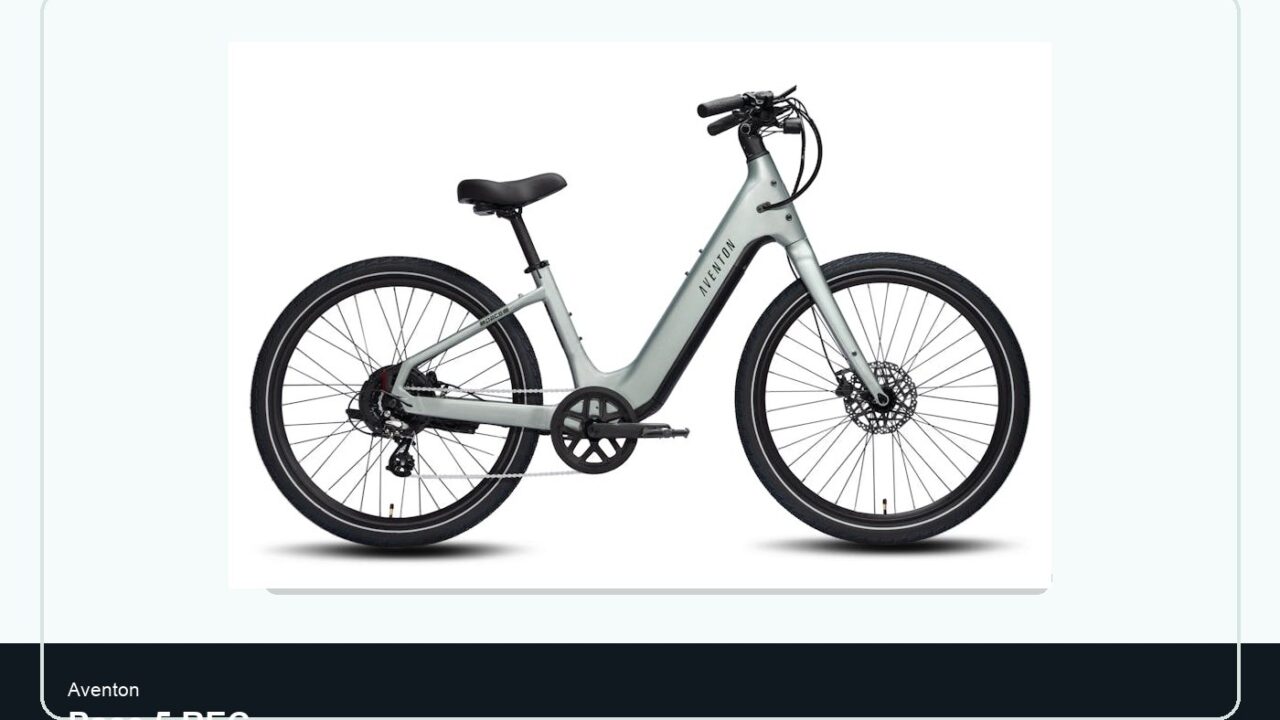
| Polished city ride | Aventon commuter models | Integrated look and strong display experience | May cost more than budget directs |
| Dealer support | Trek city e-bikes | Local fitting and service | Higher price |
| Budget commute | Ride1Up or Lectric | Competitive specs per dollar | Assembly and service vary |
What makes a commuter e-bike different
A commuter bike is judged by repeatability. The ride should feel stable at low speed, easy to control at intersections, and comfortable with a backpack, pannier, or work clothes. A powerful motor is helpful on hills, but a commuter also needs lights, fenders, a rack, puncture-resistant tires, and a frame that does not fight you every morning.
For U.S. buyers, the practical ownership details matter as much as the headline specs. Check whether the company sells replacement batteries, racks, fenders, chargers, tires, brake pads, and display parts. If you plan to ride year-round, also check local service options and whether a nearby bike shop is willing to work on the electrical system or only the mechanical bicycle parts.
Battery range for commuting
Advertised range is not the same as your real round trip. Wind, hills, rider weight, cold weather, cargo, stop-and-go traffic, and high assist levels all reduce range. A commuter should finish your normal day with a reserve, not limp home at one blinking bar.
For U.S. buyers, the practical ownership details matter as much as the headline specs. Check whether the company sells replacement batteries, racks, fenders, chargers, tires, brake pads, and display parts. If you plan to ride year-round, also check local service options and whether a nearby bike shop is willing to work on the electrical system or only the mechanical bicycle parts.
Class settings and local rules
Many U.S. commuters ride a mix of bike lanes, shared paths, campus routes, and neighborhood streets. A model that can be configured responsibly is helpful, but the rider still has to follow local rules and ride with restraint around pedestrians.
For U.S. buyers, the practical ownership details matter as much as the headline specs. Check whether the company sells replacement batteries, racks, fenders, chargers, tires, brake pads, and display parts. If you plan to ride year-round, also check local service options and whether a nearby bike shop is willing to work on the electrical system or only the mechanical bicycle parts.
Buying Advice by Rider Type
10-mile round trip
A lighter city bike or comfort commuter is usually enough. Focus on fit and storage.
20- to 35-mile round trip
Choose a larger battery or a very efficient bike. Do not rely on maximum advertised range.
Hilly suburb
Motor torque, brake quality, and frame stability matter more than weight alone.
What to Watch Before You Buy
- Confirm the e-bike class rules where you ride, especially on multi-use paths, state parks, beaches, campus routes, and local trails.
- Compare real-world fit: standover height, reach, handlebar position, saddle comfort, and whether the frame is easy to mount with your daily clothes.
- Treat advertised range as an optimistic reference point. Rider weight, speed, hills, wind, tire pressure, cargo, and temperature can reduce range.
- Look for clear battery and electrical safety information, including UL-related certifications when available.
- Do not buy purely on motor wattage. Brake quality, frame stability, tires, gearing, and serviceability can matter more in daily use.
Velotric Deal Note
If a Velotric model fits your use case, you can check the current Velotric lineup through Robert Brown’s Velotric link. At checkout, you may enter the exclusive code current checkout code for $60 off. Promotions and eligibility can change, so verify the final price on Velotric’s checkout page.

Bottom Line
The best commuter e-bike is the one that makes car replacement feel ordinary. For many riders, that means an upright comfort commuter with lights, fenders, rack capacity, and enough battery reserve to handle bad weather and detours.
Commuter Reality Check
A commuter e-bike has to feel boringly reliable on the third rainy Tuesday, not just impressive on the first ride. That means stable handling with a work bag, enough lights and fender coverage for real streets, brakes that inspire confidence, and a battery setup that fits your charging routine.
If the bike will replace car trips, think about parking and theft risk before speed. A lighter bike may be easier to carry upstairs, while a heavier utility bike may be better if it can stay in a garage and carry groceries, a lock, and weather gear.
Commuter comfort is also about repeatability. The saddle, grips, display angle, and control layout should make short everyday rides feel easy, because small irritations become much bigger when the bike is used several days a week.
What I Would Prioritize
For city routes, I would prioritize fit, upright visibility, predictable acceleration, hydraulic disc brakes, puncture-resistant tires where available, and a display that is readable in bright daylight. These practical details usually matter more than chasing the largest advertised range number.
A good commuting setup also includes the accessories around the bike: a serious lock, front and rear lights, reflective touches, a rack or pannier solution, and a charging plan that does not require carrying the bike through awkward spaces every day.
If the route includes hills, bridges, or fast traffic, motor behavior and braking matter more than the top assisted speed on paper. Smooth starts and confident stops are what make a bike feel safe in real traffic.
Questions For Daily Riders
Can you lift the bike if the elevator is out? Can the charger reach the bike where it is stored? Will the fenders actually cover wet pavement? Is the rear rack rated for the bag or basket you want to use?
Those questions sound mundane, but they are the commuter test. A bike that answers them well is easier to recommend than a bike that wins only on battery size or promotional pricing.
How I Would Use This Information
The best way to read this guide is to start with the job the bike has to do. A weekend path bike, a daily commuter, a compact apartment bike, and a car-replacement cargo setup can all look similar in photos, but they ask very different things from the frame, battery, tires, and brakes.
I also like to separate showroom appeal from ownership fit. A big battery, fat tires, or a powerful motor can be useful, but those same features can add weight, slow down handling, or make the bike harder to lift, store, and service. The right choice is usually the bike that solves the boring daily details with the least friction.
That is why I would not read any recommendation as a universal ranking. A bike that is excellent for a garage, a flat commute, and weekend rail trails may be a poor match for a third-floor apartment or a rider who needs dealer support nearby.
The Details That Matter After Delivery
Before choosing any model, check the return policy, warranty terms, replacement battery availability, brake and tire sizes, and whether a local shop is willing to work on that brand. Those details rarely feel exciting while shopping, but they can decide whether the bike still feels like a good purchase in year two.
For U.S. riders, I would also check local class rules and where the bike will actually be used. A faster setup is not automatically better if the local trail system, campus, beach path, or neighborhood greenway restricts throttle use or Class 3 operation.
Assembly is another quiet detail. Some direct-to-consumer e-bikes are easy to finish at home, while others are better handled by a shop, especially if the buyer is not comfortable adjusting brakes, tightening cockpit hardware, or checking wheel alignment.
How To Read Product Photos
Product photos are useful when they show the whole bike from the side, the cockpit, the drivetrain side, rack mounting points, tire clearance, lighting, and battery placement. A clean hero image is not enough by itself because many ownership details live in the small angles.
I pay close attention to cable routing, fender clearance, rack attachment points, the shape of the step-through opening, and whether the display and controls look easy to reach. Those details can reveal whether a bike was designed around everyday use or mainly around a spec sheet.
A Better Final Check
Before buying, make a quick pass through five questions: where will the bike sleep, where will the battery charge, who will service it, what class is allowed on the main route, and what accessory will be needed on day one.
If any of those answers feels awkward, the bike may still be good but not good for your situation. That last practical check is often more useful than reading one more range claim or waiting for one more seasonal sale.
A More Useful Way To Decide
For Best Commuter E-Bikes for U.S. Riders, the useful lens is commuting fit. I would start by asking what the bike or topic needs to solve in a normal week, then work backward from storage, charging, route type, rider confidence, and service expectations.
That order keeps the decision grounded. It is easy to compare specs for an hour and still miss the basic problem: a bike can be powerful, attractive, and discounted while still being too heavy, too awkward to store, or too specialized for the rider's actual roads.
Where I Would Be Careful
Verify fenders, lights, rack compatibility, brake type, tire protection, weight, and whether the battery can be charged where the bike is parked. A commuter bike earns its value through small daily conveniences.
I would slow down if the product page hides key details, if replacement parts are difficult to find, if sizing guidance is vague, or if the buying decision depends entirely on a short-term sale. A good e-bike purchase should still make sense after the banner discount disappears.
What To Compare Next
The closest alternative may be a step-through comfort bike, a folding e-bike for apartment storage, or a cargo-capable model if the rider regularly carries groceries or a child seat.
When two options look close, compare the reason each one exists. One may be built for comfort, another for value, another for portability, and another for higher-speed road commuting. The best choice is the one whose design intent matches the rider instead of merely matching the budget.
Living With The Bike After Week One
Imagine the bike one month after delivery. It should be easy to charge, easy to lock, easy to park, and easy enough to ride that it becomes a normal transportation tool rather than a weekend novelty.
That ownership test is intentionally plain. The right e-bike does not need to win every comparison chart; it needs to keep solving the same real problem without creating a new one.
FAQ
How much range do I need for commuting?
Aim for at least 30 to 50 percent more advertised range than your daily round trip, especially if you ride fast, carry cargo, or face hills.
Are fat tire bikes good for commuting?
They can be comfortable and stable, but they are heavier and less efficient than city tires. Choose one if your route includes rough pavement, gravel, snow, or sand.
Do commuter e-bikes need throttles?
A throttle can help with starts and heavy loads, but it is not required. Check whether Class 2 bikes are allowed where you ride.