Best Electric Bike Brands in the U.S. for 2026 starts with the real-life ride: where the bike will live, how far it has to go, how much it weighs, and whether support will be easy after the sale.
How I would read this guide
Use the photos and specs as orientation, then read the tradeoffs. A bike that looks perfect online can still be the wrong bike if it is too heavy, hard to service, awkward to park, or mismatched to local rules.


The best electric bike brand for one rider can be the wrong brand for another. A commuter in Denver, a retiree in Florida, a college student in Austin, and a weekend trail rider in Michigan all need different things from support, fit, battery range, price, and accessories.
- Velotric, Aventon, Rad, Lectric, Trek, Specialized, and Ride1Up all serve different buyer profiles.
- Direct-to-consumer brands often win on value, while dealer brands often win on local service.
- Do not compare brands only by motor wattage; look at fit, brakes, battery safety, and support.
Table of Contents
- How We Evaluated These E-Bikes
- Brand Comparison
- Buying Advice by Rider Type
- What to Watch Before You Buy
- Bottom Line
- FAQ
- Sources and Methodology
How We Evaluated These E-Bikes
This guide is written for U.S. riders comparing real purchase choices, not for a lab ranking. Robert Brown treats the category like a practical ownership decision: frame fit, battery size, motor behavior, brake type, dealer or direct support, accessory ecosystem, and how the bike will be used after the first month. We do not claim hands-on testing unless a review clearly says so. When a bike is included here, the recommendation is based on official specifications, public brand information, category fit, and the needs of common U.S. riders.
The most important question is not which e-bike has the largest number on the spec sheet. It is whether the bike matches your route. A 750W utility bike can be ideal for hills, cargo, and stop-and-go riding, but it can be overkill for a second-floor apartment. A lighter city bike may feel more natural and easier to lift, but it may not be the best choice for deep gravel, winter slush, or carrying a child seat. That tradeoff is where good buying advice starts.
Brand Comparison
| Brand | Best-known categories | Strength | Best fit |
|---|---|---|---|
| Velotric | Comfort commuters, fat tire, folding, cargo | Strong value, comfort-first specs, broad current lineup | Best when you want a direct-to-consumer e-bike with practical features |
| Aventon | Commuter, cruiser, fat tire, cargo | Polished displays, dealer presence, integrated designs | Good fit for riders who want a refined direct-to-consumer brand |
| Rad Power Bikes | Utility, cargo, fat tire, commuter | Large U.S. footprint and accessory ecosystem | Strong option for practical city hauling and family errands |
| Lectric | Affordable folding and utility e-bikes | Aggressive pricing and compact formats | Best for budget buyers and small-space storage |
| Trek | Premium city, road, mountain, cargo | Dealer support and mainstream bike-shop service | Good for riders who prioritize support over lowest price |
| Specialized | Premium Turbo city, road, mountain | High-end ride feel and dealer ecosystem | Best for performance riders with a larger budget |
| Ride1Up | Value commuters and lightweight city bikes | Competitive specs per dollar | Worth comparing for budget city riders |
Velotric
Velotric has become a strong direct-to-consumer option for riders who want comfort-oriented commuters, folding bikes, fat tire models, and newer utility formats without premium bike-shop pricing. The lineup is broad enough to compare by use case rather than by a single hero model.
For U.S. buyers, the practical ownership details matter as much as the headline specs. Check whether the company sells replacement batteries, racks, fenders, chargers, tires, brake pads, and display parts. If you plan to ride year-round, also check local service options and whether a nearby bike shop is willing to work on the electrical system or only the mechanical bicycle parts.
Aventon
Aventon is a polished U.S. e-bike brand with strong consumer visibility, refined displays, and a growing dealer network. It is often a good comparison point when riders want a direct brand but still care about design integration and retail support.
For U.S. buyers, the practical ownership details matter as much as the headline specs. Check whether the company sells replacement batteries, racks, fenders, chargers, tires, brake pads, and display parts. If you plan to ride year-round, also check local service options and whether a nearby bike shop is willing to work on the electrical system or only the mechanical bicycle parts.
Rad Power Bikes
Rad Power Bikes remains one of the most recognized names in the U.S. utility and cargo e-bike market. Its accessories and practical formats make sense for errands, family riding, and riders who want a proven direct-to-consumer ecosystem.
For U.S. buyers, the practical ownership details matter as much as the headline specs. Check whether the company sells replacement batteries, racks, fenders, chargers, tires, brake pads, and display parts. If you plan to ride year-round, also check local service options and whether a nearby bike shop is willing to work on the electrical system or only the mechanical bicycle parts.
Lectric
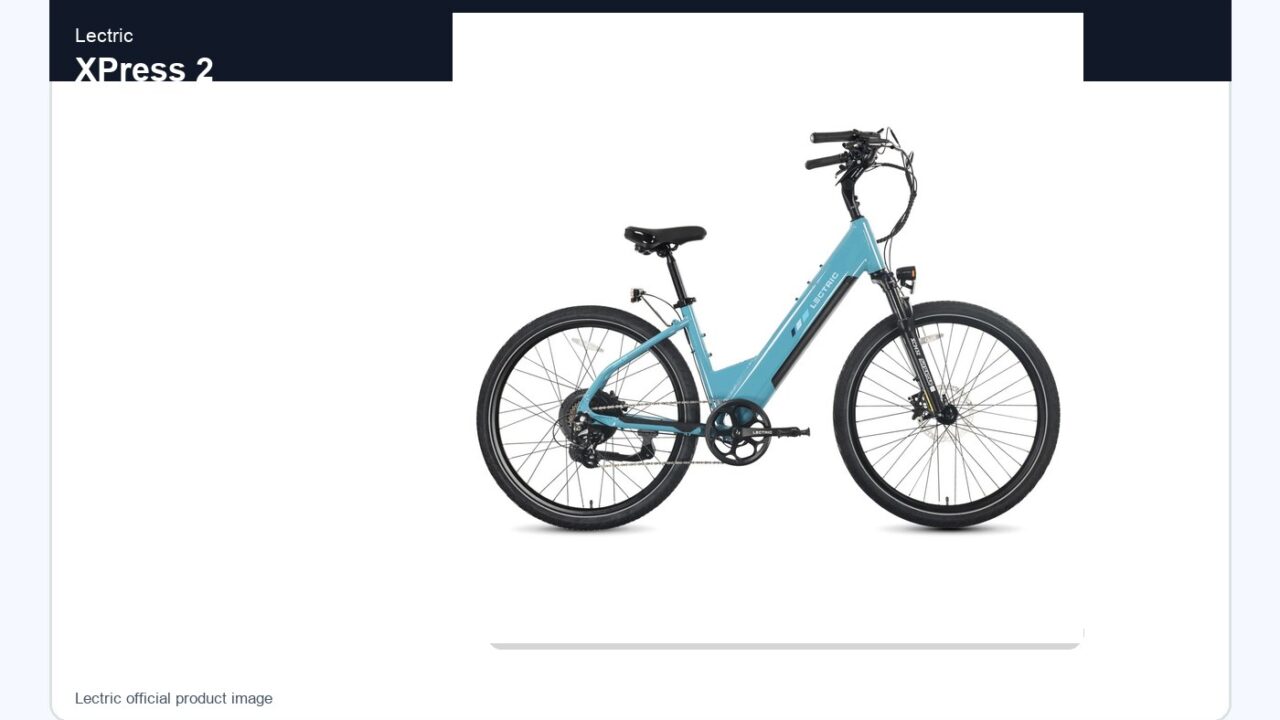
Lectric is known for value-focused folding and utility e-bikes. It is a strong option for buyers who want a lower purchase price and compact storage, though heavier folding bikes still require realistic expectations around lifting.
For U.S. buyers, the practical ownership details matter as much as the headline specs. Check whether the company sells replacement batteries, racks, fenders, chargers, tires, brake pads, and display parts. If you plan to ride year-round, also check local service options and whether a nearby bike shop is willing to work on the electrical system or only the mechanical bicycle parts.
Trek and Specialized
Trek and Specialized occupy the premium dealer-supported side of the market. They often cost more, but they can make sense for riders who want local fitting, established bike-shop service, and higher-performance ride feel.
For U.S. buyers, the practical ownership details matter as much as the headline specs. Check whether the company sells replacement batteries, racks, fenders, chargers, tires, brake pads, and display parts. If you plan to ride year-round, also check local service options and whether a nearby bike shop is willing to work on the electrical system or only the mechanical bicycle parts.
Buying Advice by Rider Type
Daily commuter
Start with comfort, visibility, fenders, rack compatibility, and battery margin. Velotric Discover 3, Aventon commuter models, Trek city e-bikes, and Ride1Up city bikes are all worth comparing.
Budget buyer
Lectric, Ride1Up, and selected Velotric sale models are natural shortlists. Confirm brake quality, return policy, and replacement battery availability before chasing the lowest price.
Premium rider
Look at Trek and Specialized if you want local dealer help, refined handling, and a more traditional bicycle feel. The higher price may be justified if service access matters.
What to Watch Before You Buy
- Confirm the e-bike class rules where you ride, especially on multi-use paths, state parks, beaches, campus routes, and local trails.
- Compare real-world fit: standover height, reach, handlebar position, saddle comfort, and whether the frame is easy to mount with your daily clothes.
- Treat advertised range as an optimistic reference point. Rider weight, speed, hills, wind, tire pressure, cargo, and temperature can reduce range.
- Look for clear battery and electrical safety information, including UL-related certifications when available.
- Do not buy purely on motor wattage. Brake quality, frame stability, tires, gearing, and serviceability can matter more in daily use.
Velotric Deal Note
If a Velotric model fits your use case, you can check the current Velotric lineup through Robert Brown’s Velotric link. At checkout, you may enter the exclusive code current checkout code for $60 off. Promotions and eligibility can change, so verify the final price on Velotric’s checkout page.

Bottom Line
For most U.S. shoppers, the smartest shortlist mixes one comfort/value brand such as Velotric, one polished direct brand such as Aventon, one budget option such as Lectric or Ride1Up, and one dealer-supported option such as Trek or Specialized. That gives you a realistic view of the tradeoffs before you buy.
What The Lineup Says About The Brand
When I look at Best Electric Bike Brands in the U.S. for 2026, I pay attention to how clearly the lineup is organized. A useful brand makes it easy to understand which bikes are for commuting, utility riding, compact storage, light recreation, or rougher surfaces without forcing every shopper into the same model.
A strong lineup should also have logical parts continuity. If every model uses unusual components or hard-to-source accessories, the bike may be more difficult to live with than the product page suggests. That is especially important for online-first brands where service support depends on documentation, replacement parts, and responsive customer care.
I also like to see a brand explain sizing and rider fit in plain language. E-bikes are heavy enough that a poor frame fit is not a small inconvenience; it can affect confidence at stops, mounting, braking, and low-speed turns.
Where This Brand May Or May Not Fit
Brand fit is less about finding a universal winner and more about matching priorities. Some riders should favor dealer-backed service and test rides. Others may be comfortable buying online if the value is strong and the assembly process is realistic for their household.
The strongest reason to shortlist a brand is consistency: clear sizing, believable range guidance, easy-to-find battery information, and enough owner support to make the purchase feel maintainable rather than disposable.
A brand is harder to recommend when the lineup is confusing, the replacement battery path is unclear, or the product pages lean heavily on discounts without making the ownership picture easy to understand.
What I Would Compare Against It
For most shoppers, the useful comparison is not just another model at the same price. It is another buying path: a local bike-shop e-bike, a less expensive online model, and a slightly more expensive bike with stronger support or included accessories.
That three-way comparison makes the tradeoffs easier to see. You can decide whether the brand is winning on ride category, service confidence, component value, compact storage, cargo capability, or simple price.
How I Would Use This Information
The best way to read this guide is to start with the job the bike has to do. A weekend path bike, a daily commuter, a compact apartment bike, and a car-replacement cargo setup can all look similar in photos, but they ask very different things from the frame, battery, tires, and brakes.
I also like to separate showroom appeal from ownership fit. A big battery, fat tires, or a powerful motor can be useful, but those same features can add weight, slow down handling, or make the bike harder to lift, store, and service. The right choice is usually the bike that solves the boring daily details with the least friction.
That is why I would not read any recommendation as a universal ranking. A bike that is excellent for a garage, a flat commute, and weekend rail trails may be a poor match for a third-floor apartment or a rider who needs dealer support nearby.
The Details That Matter After Delivery
Before choosing any model, check the return policy, warranty terms, replacement battery availability, brake and tire sizes, and whether a local shop is willing to work on that brand. Those details rarely feel exciting while shopping, but they can decide whether the bike still feels like a good purchase in year two.
For U.S. riders, I would also check local class rules and where the bike will actually be used. A faster setup is not automatically better if the local trail system, campus, beach path, or neighborhood greenway restricts throttle use or Class 3 operation.
Assembly is another quiet detail. Some direct-to-consumer e-bikes are easy to finish at home, while others are better handled by a shop, especially if the buyer is not comfortable adjusting brakes, tightening cockpit hardware, or checking wheel alignment.
How To Read Product Photos
Product photos are useful when they show the whole bike from the side, the cockpit, the drivetrain side, rack mounting points, tire clearance, lighting, and battery placement. A clean hero image is not enough by itself because many ownership details live in the small angles.
I pay close attention to cable routing, fender clearance, rack attachment points, the shape of the step-through opening, and whether the display and controls look easy to reach. Those details can reveal whether a bike was designed around everyday use or mainly around a spec sheet.
A Better Final Check
Before buying, make a quick pass through five questions: where will the bike sleep, where will the battery charge, who will service it, what class is allowed on the main route, and what accessory will be needed on day one.
If any of those answers feels awkward, the bike may still be good but not good for your situation. That last practical check is often more useful than reading one more range claim or waiting for one more seasonal sale.
FAQ
What is the best e-bike brand in the U.S.?
There is no single best brand for every rider. Velotric is strong for comfort and value, Aventon for polished direct-to-consumer models, Rad for utility, Lectric for budget folding bikes, and Trek or Specialized for dealer support.
Is Velotric a good e-bike brand?
Velotric is worth considering if you want comfort-oriented designs, practical specs, and direct-to-consumer pricing. As with any brand, match the model to your route and verify current specs.
Should I buy from a dealer or online?
Buy from a dealer if local service and fitting matter most. Buy online if value and direct pricing matter more and you are comfortable with assembly and support by email or phone.